New Home Heartbreak: Is Your South Side Home Settling or Failing?
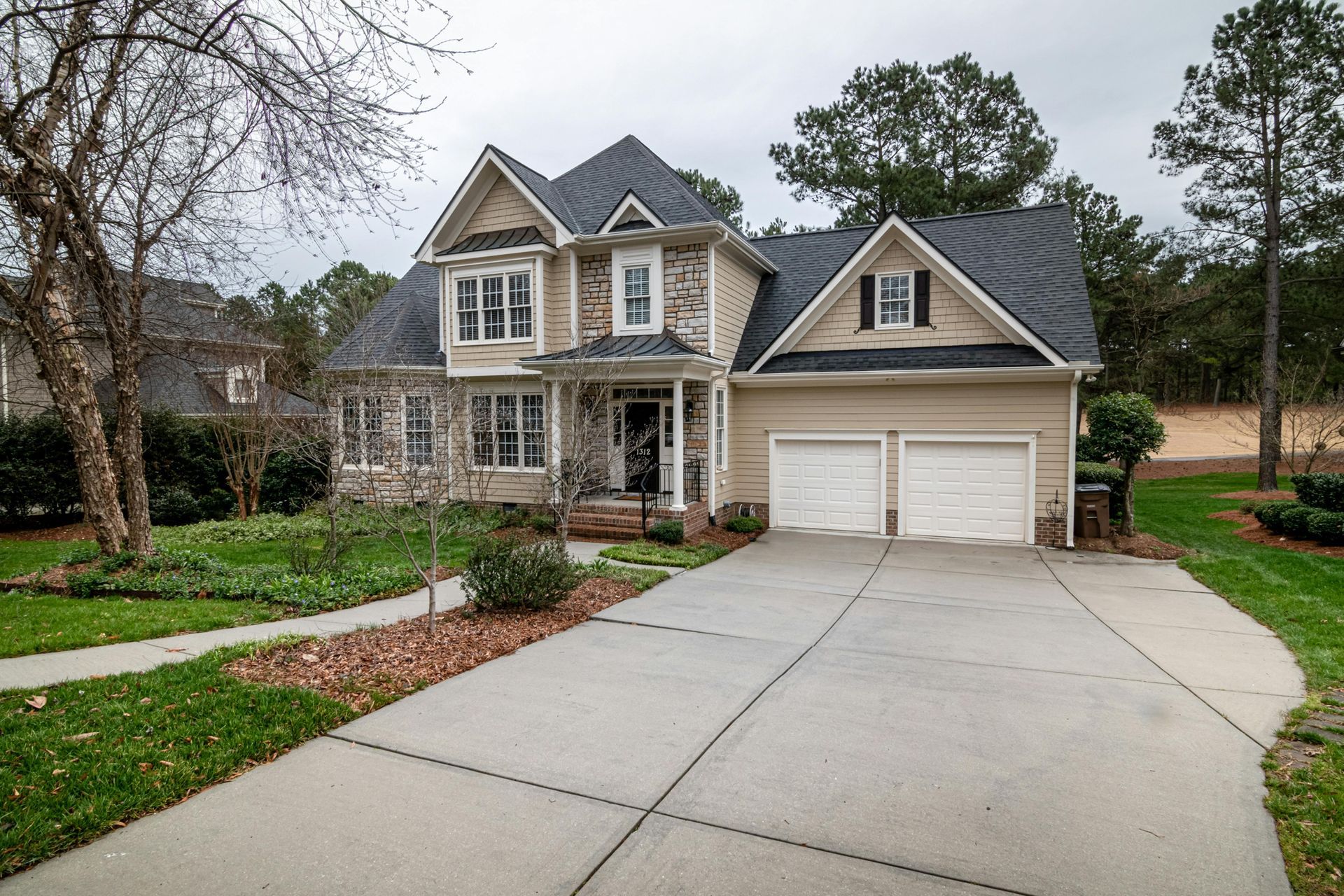
Moving into a brand-new home in Kings Crossing, Terra Mar, or the rapidly growing subdivisions near Veterans Memorial High School is the culmination of a dream. You’ve picked the perfect lot, chosen the highest-end finishes, and watched the slab be poured with a sense of pride. However, for many homeowners in South Side Corpus Christi, that pride often turns to anxiety within the first year. You notice a hairline fracture above the pantry door. You see a "pop" in the drywall of your beautiful vaulted ceiling. You wonder: Is this normal settling, or is my foundation failing?
Understanding the difference is critical to protecting your investment. By looking at the National Association of Home Builders (NAHB) performance guidelines and the soil science provided by Texas A&M University, we can demystify what is happening beneath your floorboards.
The Science of the South Side: Why Your Soil is "Active"
To understand why your home moves, you have to understand the ground it sits on. According to the Texas A&M University research on expansive soils, Texas is one of the primary states where "expansive clay related swelling problems" are in abundance. The specific culprit is a clay mineral called montmorillonite, which can swell up to 15 times its dry volume when wet.
In neighborhoods like Terra Mar and Kings Crossing, the soil undergoes a continuous seasonal wetting and drying cycle. When it rains, the soil expands with incredible force, creating significant swelling pressures. When it dries—especially during our scorching South Side summers—the soil shrinks substantially. This "active" soil movement is the leading cause of foundation heave or settlement. Because the south side of a structure often receives more direct solar exposure, evaporation occurs more rapidly on that side of the lot, leading to uneven moisture levels that cause the home to tilt or "pull" toward the drier soil.
Understanding "Normal Settling"
The NAHB sources explain that every new home undergoes a stabilization problem inherent in the construction process. It is generally expected that a home will tend to stabilize itself over time. This is often referred to as "normal settling."
Settlement is defined as the act of soil compacting due to natural or artificial pressure. When thousands of pounds of lumber, concrete, and roofing are placed on top of clay soil, the ground naturally compresses. The NAHB guidelines state that "minor cracks" in concrete slabs and drywall are a normal occurrence. The goal for the homeowner is to identify when these movements cross the line from a "microscopic characteristic" to a "warrantable defect."
The "1/8 Inch Rule" and Other Benchmarks
How do you know if a crack is serious? The sources provide specific measurements to help you judge. While many homeowners worry about any visible line, the NAHB performance standards allow for a certain degree of variance:
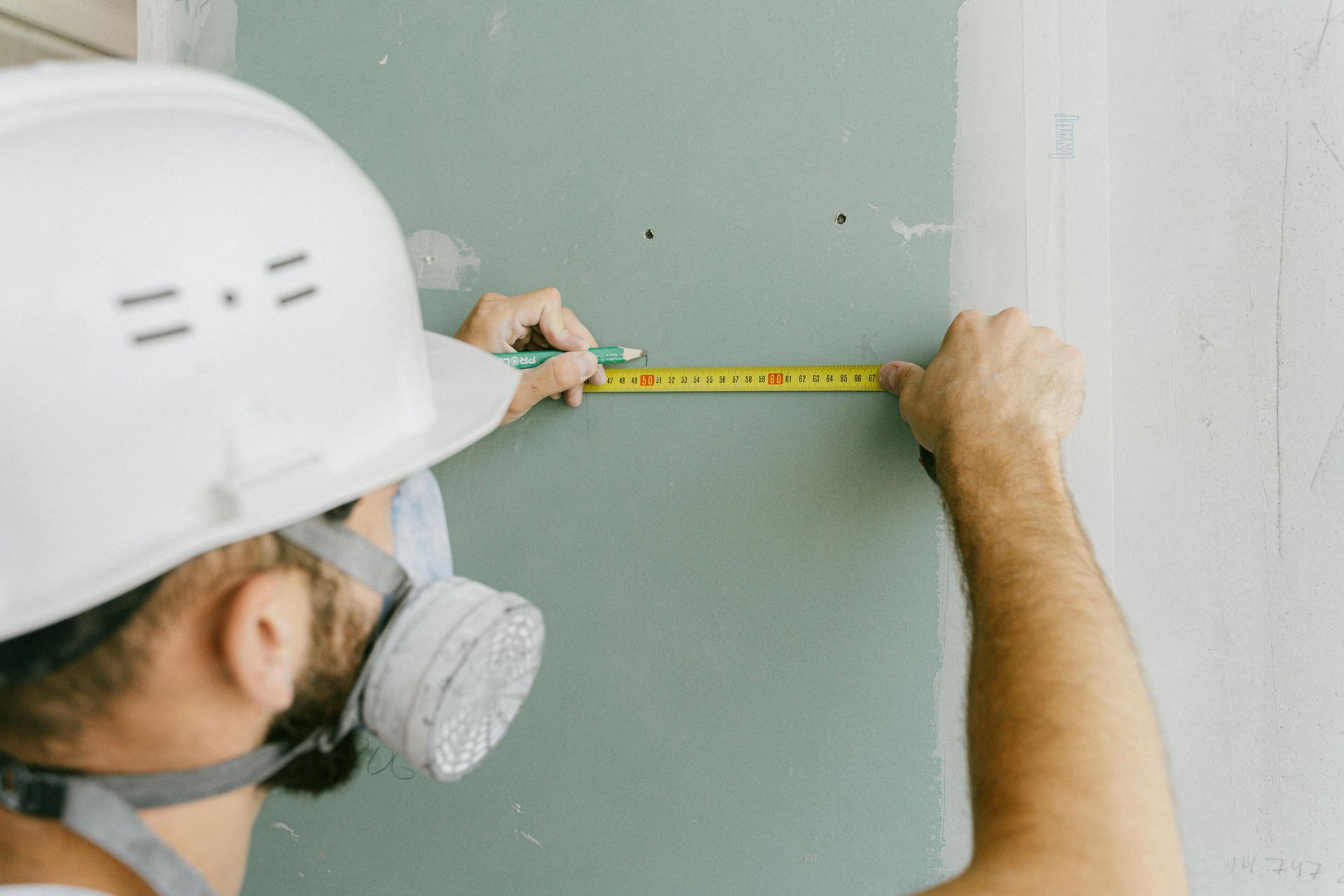
• Drywall Cracks: For gypsum wallboard (drywall), cracks are considered a defect only if they exceed 1/16 inch in width. If your crack is narrower than the edge of a dime, the builder typically isn't required to fix it until the end of the warranty period.
• The 1/8 Inch Threshold for Trim: While drywall has a strict 1/16-inch limit, interior trim and moldings have a slightly different standard. Gaps at non-mitered joints in trim (like where a baseboard meets a door casing) should not exceed 1/8 inch. Similarly, cracks in exterior trim joints should not be wider than 1/8 inch.
• Concrete Slabs: In your garage or on your patio, the standard is even wider. Cracks in concrete floor slabs are considered normal unless they exceed 1/4 inch in width or 1/4 inch in vertical displacement.
Think of these measurements as a "medical checkup" for your house. A 1/16-inch crack is a "scratch," but once it reaches 1/8 inch or 1/4 inch, it becomes a "wound" that requires a corrective measure from the contractor.
Common South Side "Heartbreak" Issues
Because of the high moisture variation in areas near Veterans Memorial High, two specific issues tend to plague South Side homes:
1. Sticking Pantry and Bedroom Doors: As the soil moves, the house frame can slightly rack. This causes interior doors to stick, bind, or fail to latch smoothly. The NAHB guidelines require the contractor to adjust these doors so they operate with "reasonable ease," but they are only required to perform this adjustment one time only during the warranty period.
2. Nail Pops in Vaulted Ceilings: The dramatic, high ceilings popular in Kings Crossing are beautiful, but they are also susceptible to "nail pops." These occur when the timber in your roof stabilizes and shrinks, pushing the drywall nail or screw slightly out of the wood. According to the sources, nail pops and blisters are considered defects if they are readily visible from a distance of 6 feet under normal lighting conditions.
The 11-Month Warranty Walk-through: Your Last Line of Defense
Most new home warranties are based on a 12-month period. Builders often encourage you to submit a "punch list" of items for repair before this year is up. However, many homeowners make the mistake of waiting until the very last week, or they submit small requests throughout the year.
The sources make it clear that for items like drywall cracks, door adjustments, and grout repairs, the contractor is often only required to fix them "one time only" during the warranty period. If you ask the builder to fix a sticking door at month six, and the soil shifts again at month ten, the builder may not be obligated to return for a second repair.
This is why the 11-Month Warranty Walk-through is the most critical milestone of your first year of homeownership. By waiting until month 11, you allow the home to complete a full cycle of seasonal wetting and drying. This ensures that any "settling" has likely reached a point of stabilization before the final repairs are made.
Why Hiring a Handyman for Your Pre-Warranty List is a Smart Move
You live in your home every day, which means you might become "house blind." You stop noticing the gap in the crown molding or the slight squeak in the floorboard. This is why hiring a professional handyman to perform a pre-warranty audit is a strategic investment.
A handyman acts as an independent expert who understands the NAHB standards. They can systematically move through your home—from the vaulted ceilings to the baseboards—identifying every nail pop, trim gap, and sticking door that meets the threshold for a warrantable repair.
By creating a professional pre-warranty punch list, you do three things:
1. Provide Evidence: You present the builder with a clear, measured list based on industry standards (like the 1/16-inch drywall rule).
2. Maximize Efficiency: You ensure that the builder’s sub-contractors handle all repairs in one final visit, rather than dragging the process out.
3. Protect Your Value: Ensuring that your home is perfectly adjusted before the warranty expires maintains the resale value and structural integrity of your property.
Conclusion: Stabilization is a Journey
Seeing cracks in your new home is stressful, but in the vast majority of cases, it is simply the house "finding its feet" in the shifting Texas clay. Think of your home like a new pair of leather boots; as you wear them, they develop creases and stretches that allow them to fit your feet perfectly. The home is doing the same with the South Side soil.
However, you shouldn't have to navigate this journey alone. Don't let the 12-month clock run out on your protection.
Before your builder warranty expires, let us perform an 11-Month Punch List Audit. Call 361-304-8193 today. We will provide you with a comprehensive, professional report that you can hand directly to your builder, ensuring your South Side dream home stays a dream, not a heartbreak.