The Coastal Bend Rot: Why Your Calallen Home’s Trim is Crumbling
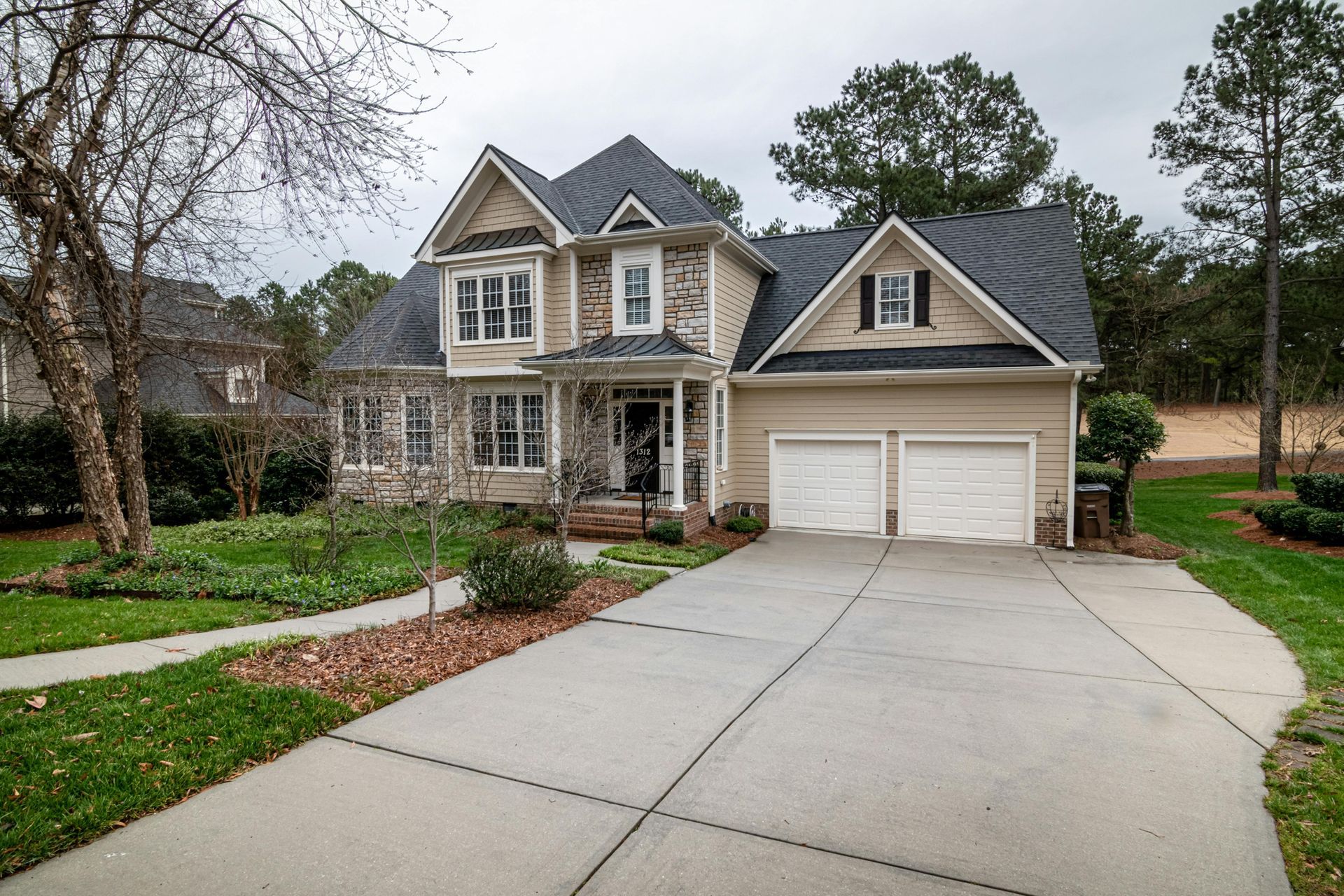
Hey neighbor. If you’ve spent a Saturday morning walking through Wood River or driving down the quiet streets of Northwest Terrace, you know exactly why we love this corner of the Coastal Bend. The air is a bit quieter here, the lots are bigger, and the sunset over the Nueces River is hard to beat. But if you’ve taken a close look at your roofline lately—specifically those fascia and soffit boards—you might have noticed a less-than-beautiful neighbor moving in: wood rot.
In Northwest Corpus Christi, we aren’t just fighting the usual wear and tear on our homes; we are battling a unique environmental challenge that turns the very trim of our houses into a feast for fungi. To understand why your trim is crumbling, we have to look at the science of the "Coastal Bend Rot."
The 80% Humidity Trap
We all know it’s humid here. While the official climate data for Corpus Christi lists a relative humidity range typically between 67% and 76%, those of us living in the Calallen area know that the proximity to the river and the marshlands can easily push local levels well above 80% during the morning hours.
Why does this matter for your wood trim? Wood is a hygroscopic material, meaning it acts like a giant, rigid sponge that constantly swaps moisture with the surrounding air. In our "humid subtropical" climate, there is no true dry season. This means your home’s wood trim never gets a chance to fully dry out.
Serious wood decay—what we commonly call "rot"—occurs when the moisture content of the wood stays above the "fiber saturation point," which averages about 30%. While humidity alone usually won't push wood all the way to 30%, it creates an environment where wood-decay fungi are ready to pounce the moment a little bit of liquid water is added to the mix.
Fascia and Soffit: The Front Lines of Decay
Your fascia (the boards running along the edge of your roof) and soffits (the boards tucked underneath the eaves) are the most vulnerable parts of your home's exterior. In neighborhoods like Northwest Terrace, where many homes feature traditional wood construction, these boards are the "front lines."
They catch windblown rain, melting dew, and the runoff that overflows from a clogged gutter. Because these areas are often shaded by the roof overhang, they stay damp longer than the rest of your house. When that local humidity stays high, the moisture is essentially trapped against the wood. Once the wood reaches that 30% moisture threshold, it’s like ringing the dinner bell for fungi.
When "Spongy" Means It's Too Late
As an expert in wood health, I often see homeowners in Wood River trying to fix a "soft spot" with a fresh coat of paint. I have to be the bearer of bad news: If the wood feels "spongy" to the touch, it is already too late for paint.
When you can press your thumb into a fascia board and it gives way like a wet sponge, you are seeing the late stages of White Rot or Soft Rot. At this point, the fungi have already metabolized the cellulose and lignin—the very building blocks that give wood its strength.
In fact, research shows that by the time wood rot is visually detectable, the wood has often already lost more than 50% of its strength. Paint is designed to protect healthy wood; it cannot provide structural integrity to wood that has been eaten from the inside out. Applying paint over spongy rot is essentially "sealing in" the moisture, which actually speeds up the decay process by preventing the wood from ever drying out.
Identifying Your Enemy: Dry Rot vs. Wet Rot
In the Coastal Bend, we see two main versions of this "crumbling" trim:
1. "Dry Rot" (Brown Rot): This is a bit of a misnomer because wood must be damp to rot, but we call it "dry" because of how it looks when it finally dries out. If your trim is dark brown and cracking into rectangular chunks (a pattern called "cubical rot"), you have Brown Rot. It will eventually turn into a dry powder that crumbles in your hand.
2. "Wet Rot" (White or Soft Rot): This is more common in our high-humidity areas. The wood will look bleached or whiter than normal and will feel stringy, pitted, or spongy.
The Solution: Rot-Resistant Upgrades
If you're facing crumbling trim, the best move isn't to replace it with the same vulnerable Southern Pine that failed in the first place. Instead, smart homeowners in Calallen are moving toward materials that fungi simply can't eat.
Hardie Plank (Fiber Cement): James Hardie products are Engineered for Climate®, specifically designed to withstand the blistering sun and inescapable humidity of the Texas coast. Because fiber cement is water-impervious, it is highly resistant to the mold and rot that destroy traditional wood siding. An added bonus? It’s non-combustible and has a flame spread index of zero, providing a "fortress" of protection for your family.
PVC Trim: For fascia and soffit replacement, PVC (polyvinyl chloride) is a fantastic option. As a wood-nonwood composite, it offers superior dimensional stability when exposed to moisture. It provides the "depth" and look of wood without the appetite for water, meaning you won’t be back on a ladder in five years dealing with the same problem.
Protecting Your Investment
Your home is your castle, and the trim is its first line of defense against the elements. In an environment as harsh as the Coastal Bend, "standard" maintenance isn't enough. You need an expert eye to catch rot before it migrates from a decorative board into the structural rafters of your roof.
We’ve seen too many neighbors wait until a small "soft spot" turns into a $10,000 roof repair. Don't let your home become another victim of the Coastal Bend Rot.
Don't let a small rot spot turn into a major roof repair. Call 361-304-8193 for a free Wood Health Inspection today.